
A Smarter Route for Rainwater at a Hampshire School
Category: Case Studies Environment
Introduction
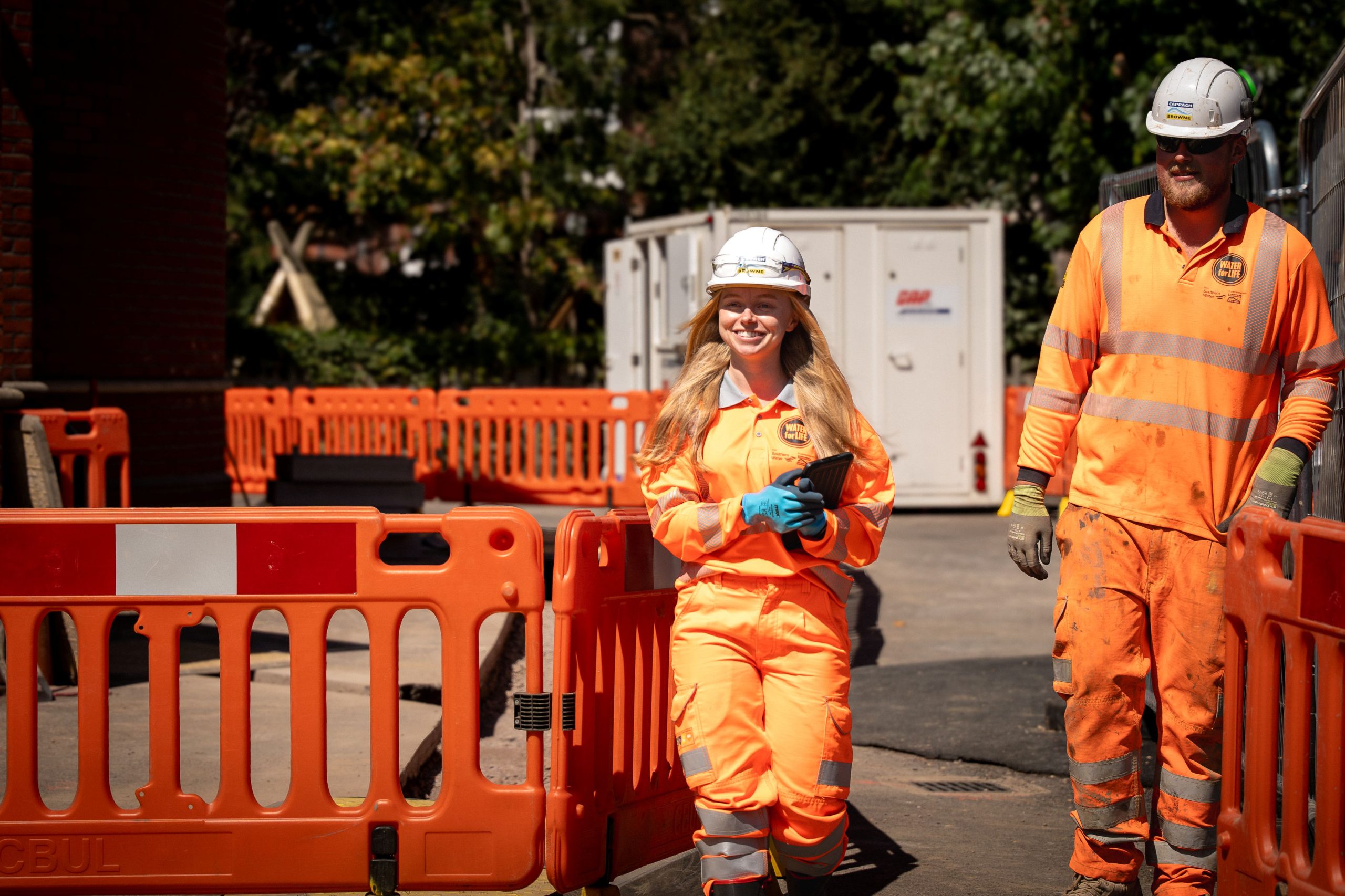
At present, clean rainwater enters the wastewater system alongside sewage. During periods of heavy rainfall, this places additional pressure on the network, increasing the risk of flooding and contributing to storm overflows. By separating rainwater at source, the project will help protect local rivers and seas while improving the resilience of the network.
The work supports Southern Water’s wider programme of identifying and removing surface water connections from wastewater sewers across the region.
Reducing Pressure Before It Reaches the Network
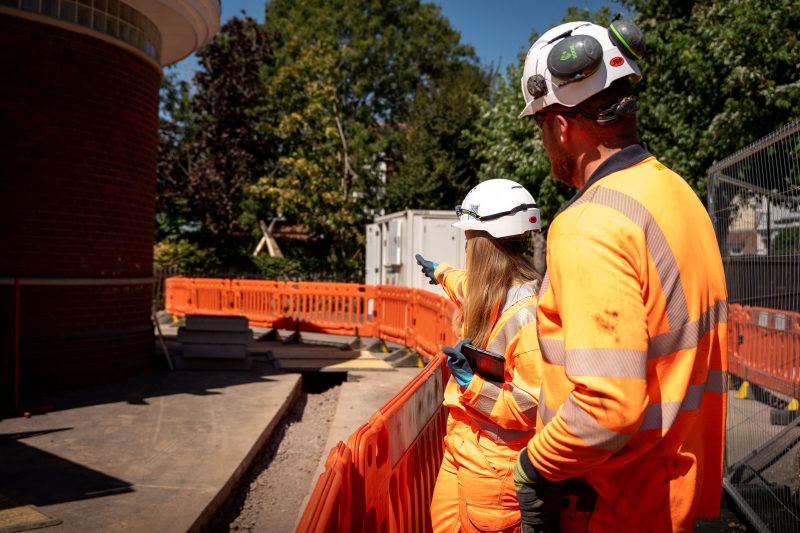
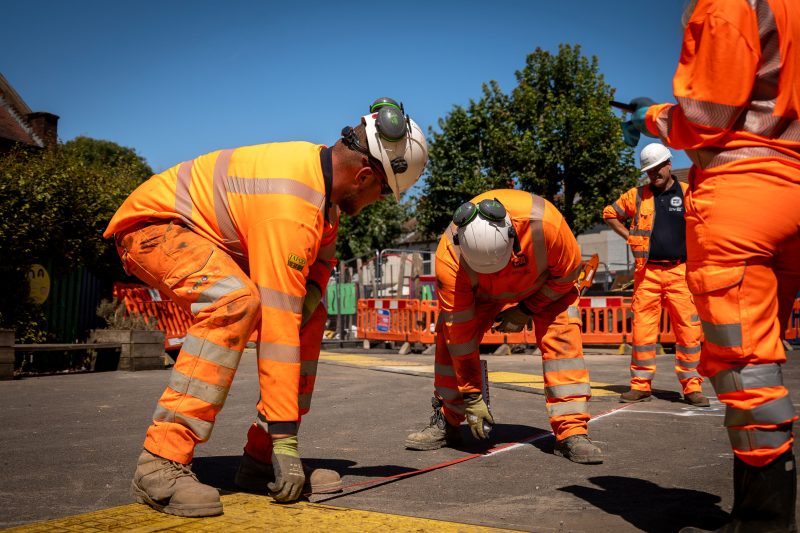
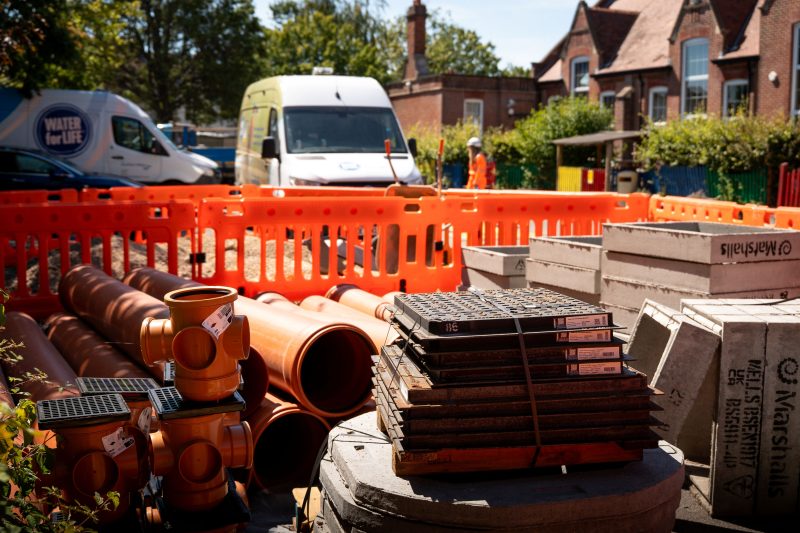
The project involves installing approximately 150 metres of new 225mm drainage pipe through the school grounds before connecting into the existing surface water network in London Avenue. Once complete, runoff from around 2,550 square metres of the school site will no longer enter the wastewater sewer.
This means less clean rainwater will need to be pumped and treated, reducing energy use and carbon emissions. More importantly, it helps create additional capacity during heavy rainfall events, reducing the likelihood of flooding and helping to prevent storm overflows into the environment.
Designing Around the School
The team worked closely with the school throughout the planning and design process to minimise disruption and protect important areas of the site.
One example involved relocating a proposed manhole away from a specialist children’s matting area. This ensured the space could continue to be used safely while still allowing future access for maintenance.
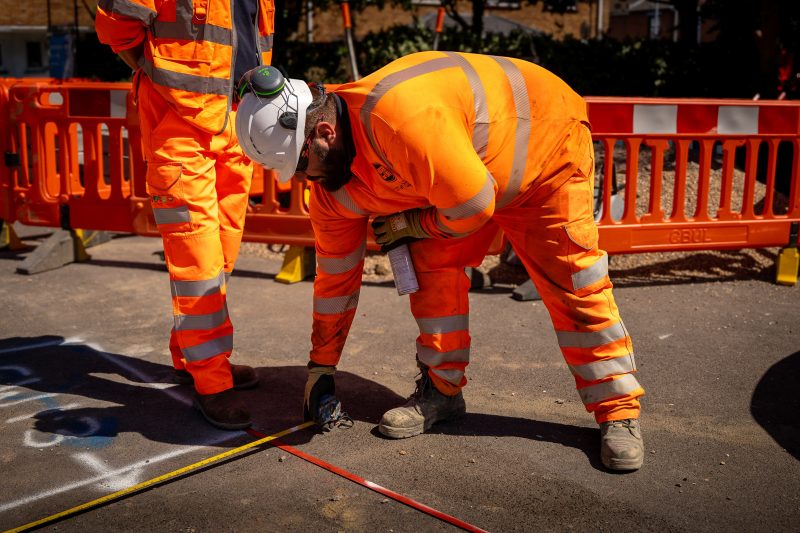
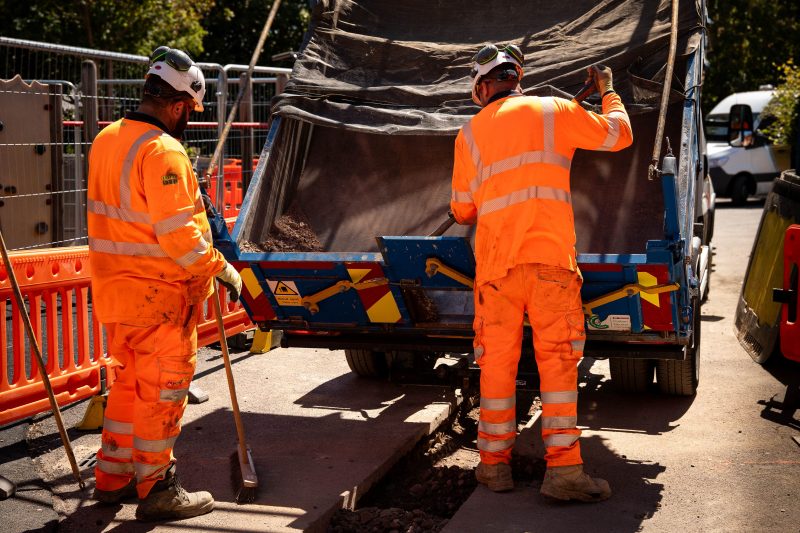
The drainage route was also designed to remain as shallow as possible across the school grounds. This reduced excavation, limited the amount of material removed from site, and minimised disruption to pupils and staff. Achieving this required careful coordination around a number of existing underground services, including utility connections and drainage infrastructure located at different depths.
Delivering a Complex Connection Safely
One of the most challenging aspects of the project is the final connection into the surface water network in London Avenue, which is located almost three metres below ground level.
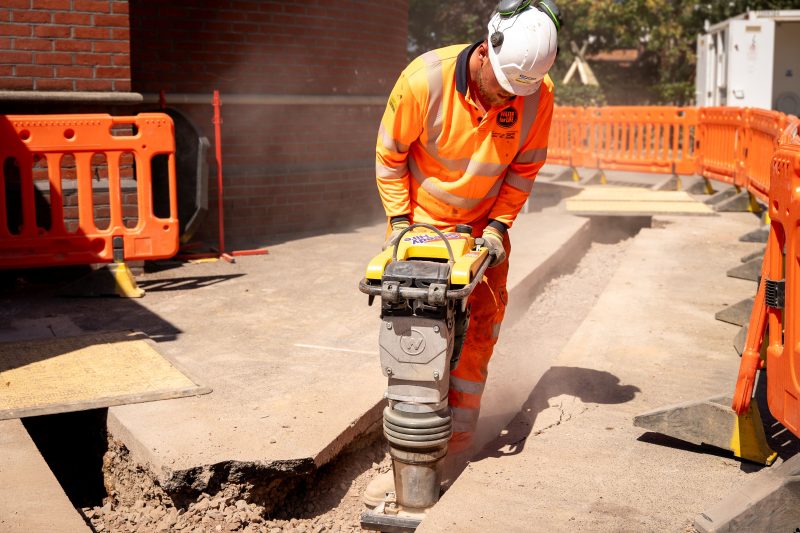
Excavations of this depth require specialist shoring systems to support the sides of the excavation and protect the workforce. Temporary works supervisors are overseeing the operation to ensure the connection can be completed safely and efficiently.
Protecting Rivers, Seas and Communities
Once complete, the scheme will permanently remove runoff from approximately 2,550 square metres of the school site from the wastewater sewer system. Every time it rains, less water will enter the wastewater network, helping to reduce the risk of flooding, lower the likelihood of storm overflows and improve the health of local rivers and seas.
While relatively small in scale, projects like this demonstrate how targeted interventions can deliver lasting environmental benefits and help build a more resilient wastewater network for the future.
The project also highlights the value of working closely with local communities to deliver infrastructure improvements in a way that balances operational requirements with the needs of site users.
Category: Case Studies Environment
Location: Hampshire